
🪵 History of the Violin
Amati · parts · makers · adult / teacher
Amati Cremona origins; parts of the violin; Amati → modern comparison; main makers Italy → France → Germany → England (one line each).
Tap the kid head (next to Home) for the playful Path of the Staff version. The red ? still means “what does this word mean?” / help.
Remember: Prefer “workshop active by the late 1530s; earliest securely dated surviving Andrea violins from the 1560s” over inventing a precise first-violin year.
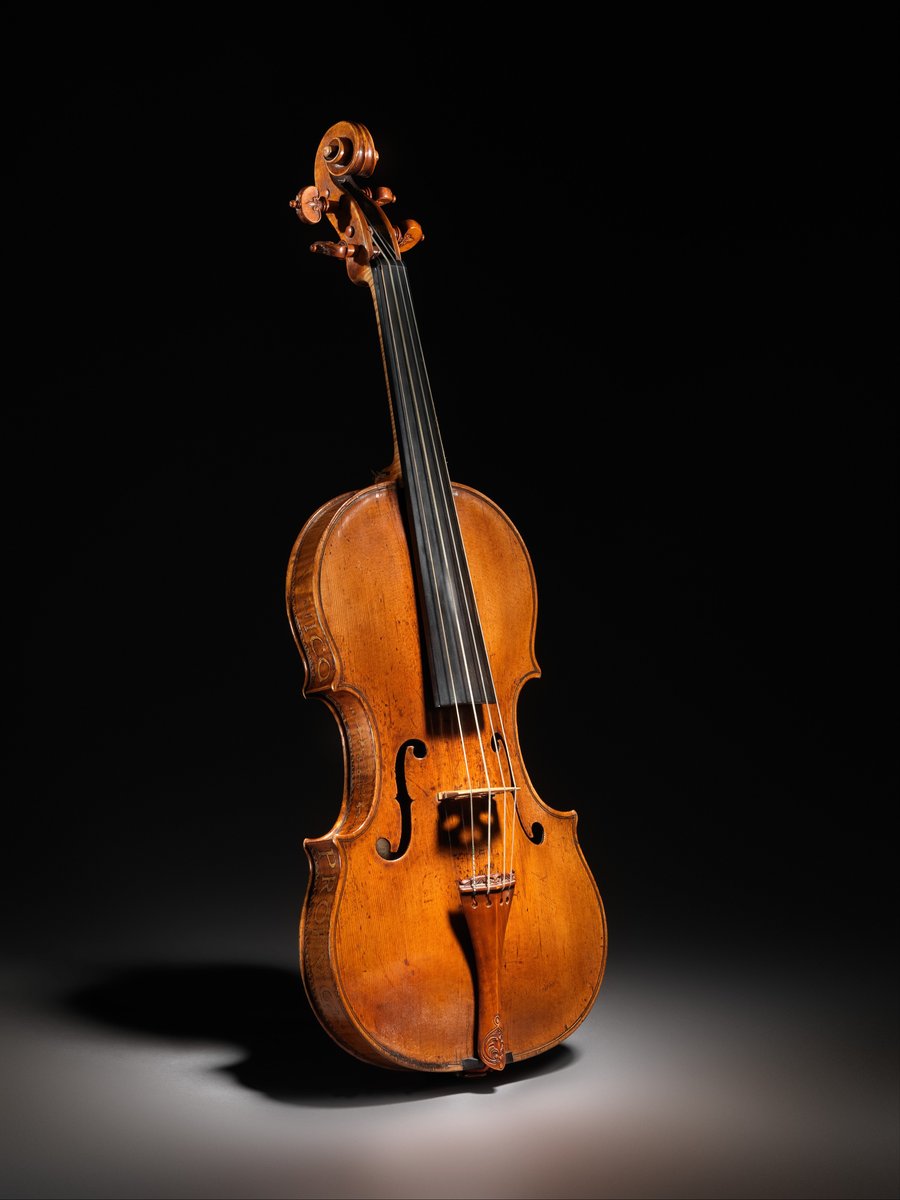
Parts of the violin
Scroll · pegbox · fingerboard · bridge · f-holes · body · tailpiece — the design language Andrea Amati’s survivors already show (four corners, f-holes, scroll, purfling, blocks/linings).
Cremona beginnings
Modern violin from rebec, Renaissance fiddle, lira da braccio in mid-1500s northern Italy. Andrea Amati (c. 1505–1577), workshop by 1539; Brothers Amati; Nicolò (1596–1684). Earliest securely dated survivor: Ashmolean 1564 “Charles IX.” Stradivari as Amati pupil: traditional but debated. Guarneri securely from Nicolò’s circle.
Main makers
- Andrea Amati · c. 1505–1577 · workshop by 1539 · Italy (Cremona) — Founder of Cremonese modern outline
- Antonio Stradivari · c. 1644–1737 · Italy (Cremona) — Flatter, broader model; great power
- Guarneri del Gesù · 1698–1744 · Italy (Cremona) — Freer construction; dark powerful tone
- Jacob Stainer · c. 1617–1683 · Absam (German / Alpine school) — High arching; sweet tone; widely copied
- Klotz family / Mittenwald · Matthias Klotz 1653–1743 onward · Germany — Saxon–Alpine trade; Stainer-based outlines
- Amati / Cremonese influence in France · from 1560s (Charles IX set) onward · France — Italian models prized at court; later French classical making
- Nicolas Lupot · 1758–1824 · France (Paris) — “French Stradivari”; fine Strad copies
- Jean-Baptiste Vuillaume · 1798–1875 · France (Paris) — Prolific; exquisite Italian-style copies
- Later German makers · 18th–19th c. trade centres · Germany — Markneukirchen & modern German workshops
- Banks family · Benjamin Banks 1727–1795 & sons · England — “English Amati”; distinctive red varnish
- Forster family · William II “Old Forster” 1739–1808 & sons · England — Leading English violin & cello makers
Amati era → modern
| Aspect | 16th-c Amati world | Modern concert |
|---|---|---|
| Size | Often smaller / varied patterns (small & large violins) | Standard ~14″ body length common for adults |
| Arching | Higher, fuller arches (esp. early Cremonese / Stainer taste) | Flatter Strad-influenced arching for projection |
| Varnish | Soft glowing Cremonese varnish (surviving examples) | Wide range; often aiming for Italian clarity and depth |
| Sound | Sweet, blended early-Baroque colours | Bigger solo projection for large halls |
| Strings | Gut strings; lower tension historically | Gut / synthetic / metal wound; higher typical tension |
How it developed
From Amati’s mid-1500s design language through Nicolò’s Grand Amati, then Stradivari’s flatter powerful model and del Gesù’s darker voice. Northern makers (Stainer, Mittenwald/Klotz) favored higher arches; French and English classical makers largely returned to Cremonese ideals (Lupot, Vuillaume, Banks, Forster). Setup (bridge, bass bar, neck angle, strings) kept evolving into the modern concert instrument.